Short take
A really thick atmosphere, and I like that every single item has a drawback. But it’s very rough around the edges, and it doesn’t give you enough direction for my taste. I gave it two hours. Not hooked, not impressed.
Long take
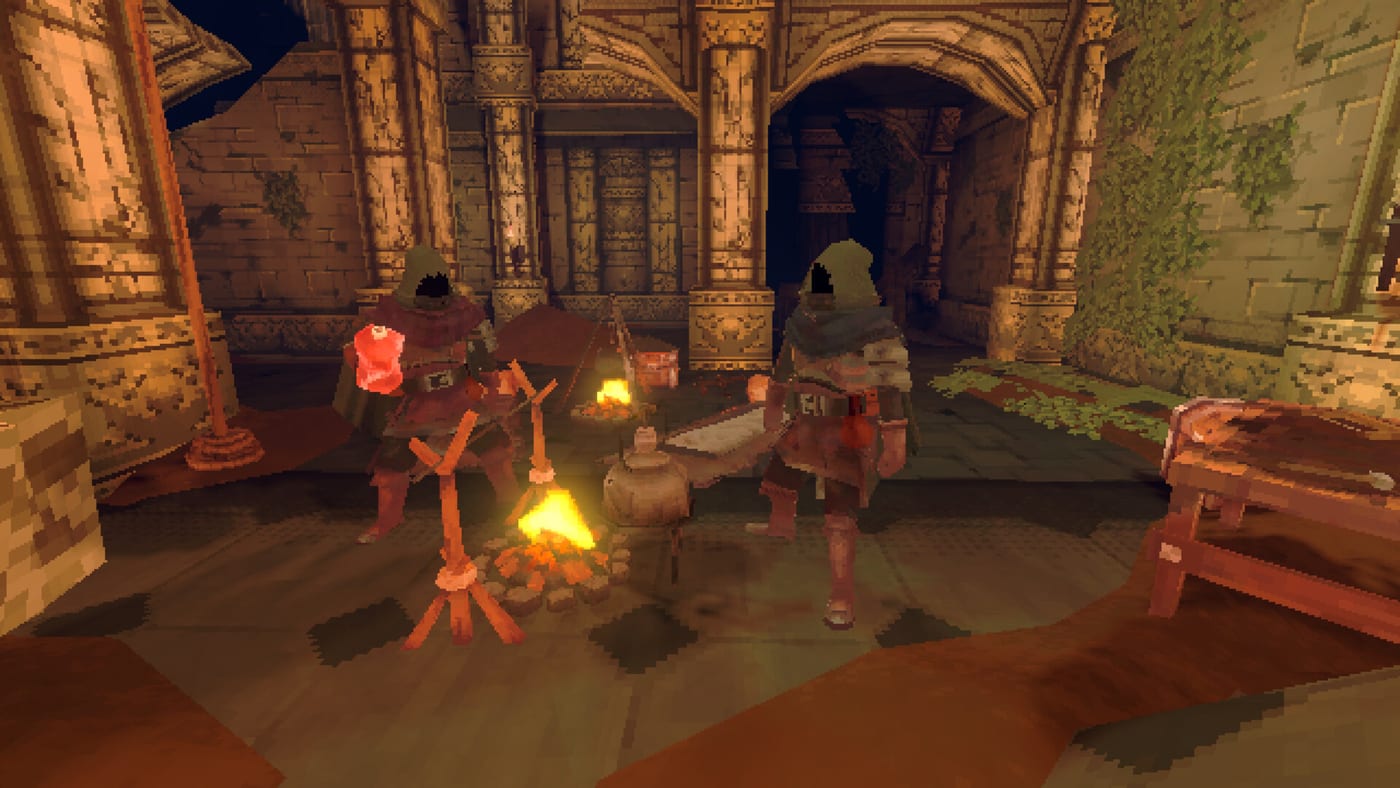
Deep Dish Dungeon has a really thick atmosphere, which I like. It feels somewhat old-school, not because of the graphics, but because of how the difficulty is tuned. It’s very slow. An hour in, I felt like I hadn’t progressed as much as I should have. It’s definitely a get-lost experience. It’s one of those “you’re gonna discover your own fun” games. I am that kind of person, but I feel that not everyone is. It’s very rough around the edges. The menus are very, very basic, and it’s not very clear what I’m supposed to be doing. As someone who didn’t grow up with Minecraft, going into a menu to do things you can only do in menus is always a weird experience. It works, it’s efficient, but it takes me out of the experience.
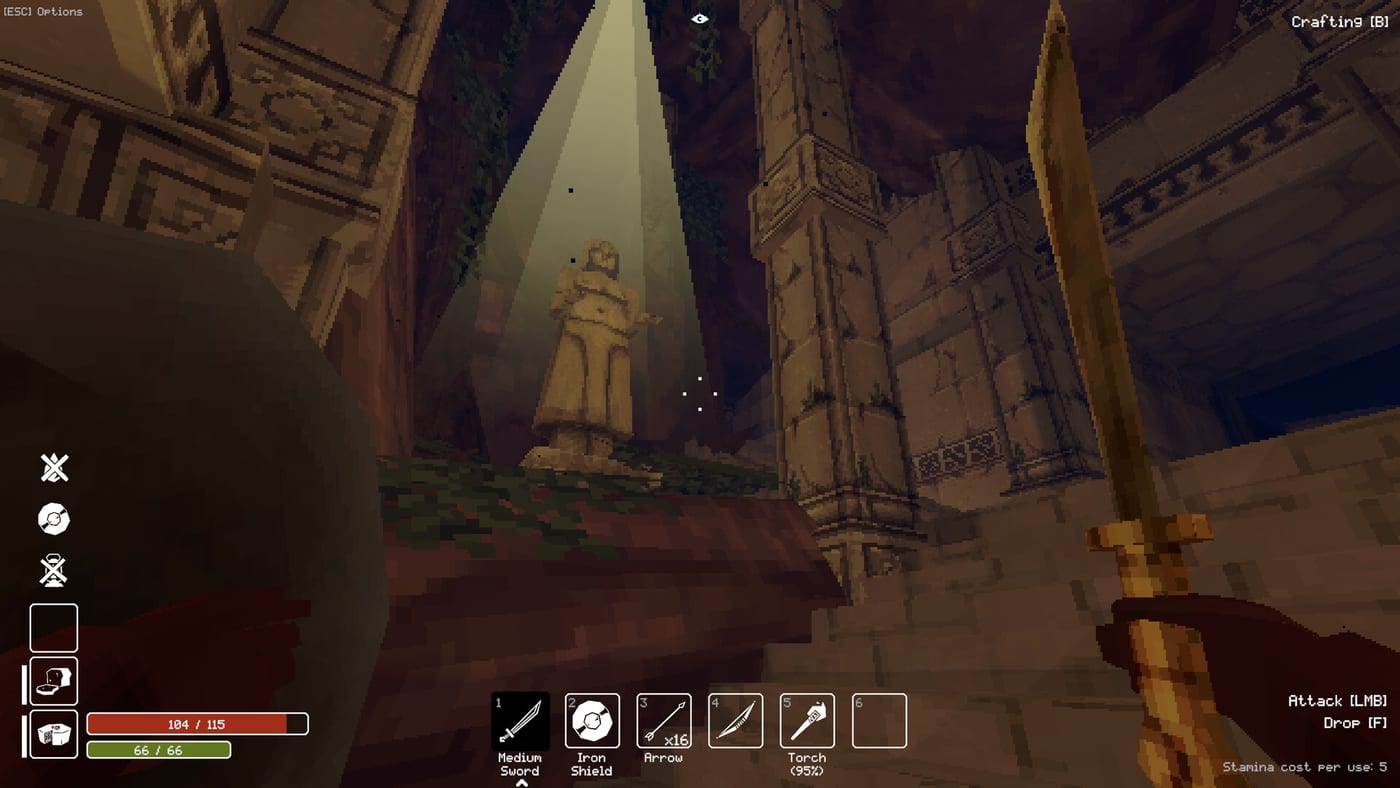
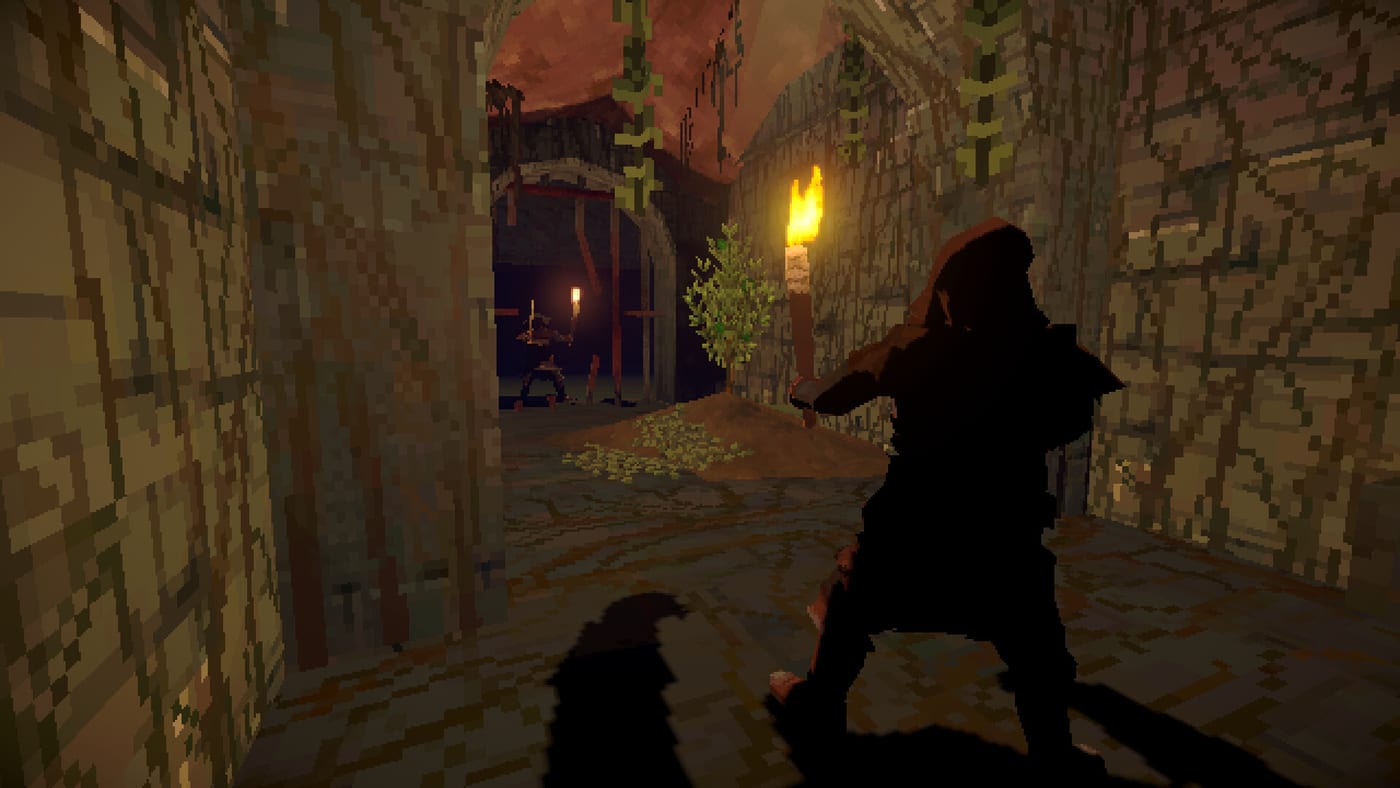
The combat is wonky and very, very basic. The enemy animations are just a couple of frames. It’s not that it looks bad, it looks appropriate to its presentation, but enemies are easy to avoid. I’ve literally stood behind a skeleton to kill it. I’ve died a couple of times because I had to be in a very specific position to climb down a rope or a ladder. Then there are the bats: a room full of them, I shoot one with a bow and it feels like they keep coming. I don’t know if I’m doing anything right. The game gives you very little feedback on whether you’re doing the right or wrong thing. Having three different buffs from food doesn’t feel like preparing for a fight, the way it does in The Witcher, where you drink potions for the combat you’re going into. Here it’s less intentional. It just feels like “I need to survive and I need all of these buffs.” Going all the way back to the entrance for water is understandable design and it fits the experience. I just don’t like it.
There are things I like. Every single item has a drawback. With the backpack you can’t sprint, and with the backpack and the shield you lose jump height. You can see this slowly turning into a game where you really have to optimize your stats for exploration versus survival. That’s a pretty cool thing to do in a game like this. Auto-healing is an interesting choice for the genre, and I like it more for that reason. I also like that enemies don’t respawn. Opening the golden door was a little bit of mystery, finally, and I was kind of happy with that progress. But the rewards are weak: at the end of a section I just got a key, when I’d rather have a cool skill. All you find is rocks and wood planks, plus animal carcasses I can’t use yet, which means coming back later, and that’s not a fun loop. Eventually I got completely stuck: a water level, a door downstairs, tables I don’t know what to put on, crates that seem like they should be useful, and secrets hidden behind torch holders. I don’t want to go through every single one of them to find out. That’s not fun. It should open up into a cool place to explore, but instead it’s kind of a dead end.
Lessons for game design
- Give every item a trade-off. “Every single item kind of has a drawback,” like no sprinting with the backpack or lower jump height with the backpack and shield. Small costs like these make players think about how they build for exploration versus survival.
- Atmosphere carries a lot. A thick, consistent atmosphere kept me going even through slow progress.
- Be bold with genre conventions when it helps. Auto-healing in a survival game is “definitely a choice over a standard,” and I liked the game more because of it. Enemies that stay dead also took away frustration.
- Let art and animation match the presentation. Simple can still look appropriate, as long as it doesn’t make the gameplay trivial.
- Earn your mysteries. The golden door finally gave me a bit of mystery, and the work felt worth it once it paid off.
What to avoid
Leaving players without direction or feedback. This came up again and again: “It’s not very clear what I’m supposed to be doing.” “The game gives you very little feedback in terms of if you’re doing the right or wrong thing.” “I have no clue where to find the [key]. I have no clue what to put on the tables.” Hiding progress behind torch holders that you have to check one by one isn’t mystery, it’s chores: “I don’t want to go through every single one of them to find out. That’s not fun.” Related to this: don’t make the loop about going back. “Part of dungeoneering is not going back to the same place, but exploring new places.” And don’t make the work feel mundane, because “video games are not a job.”
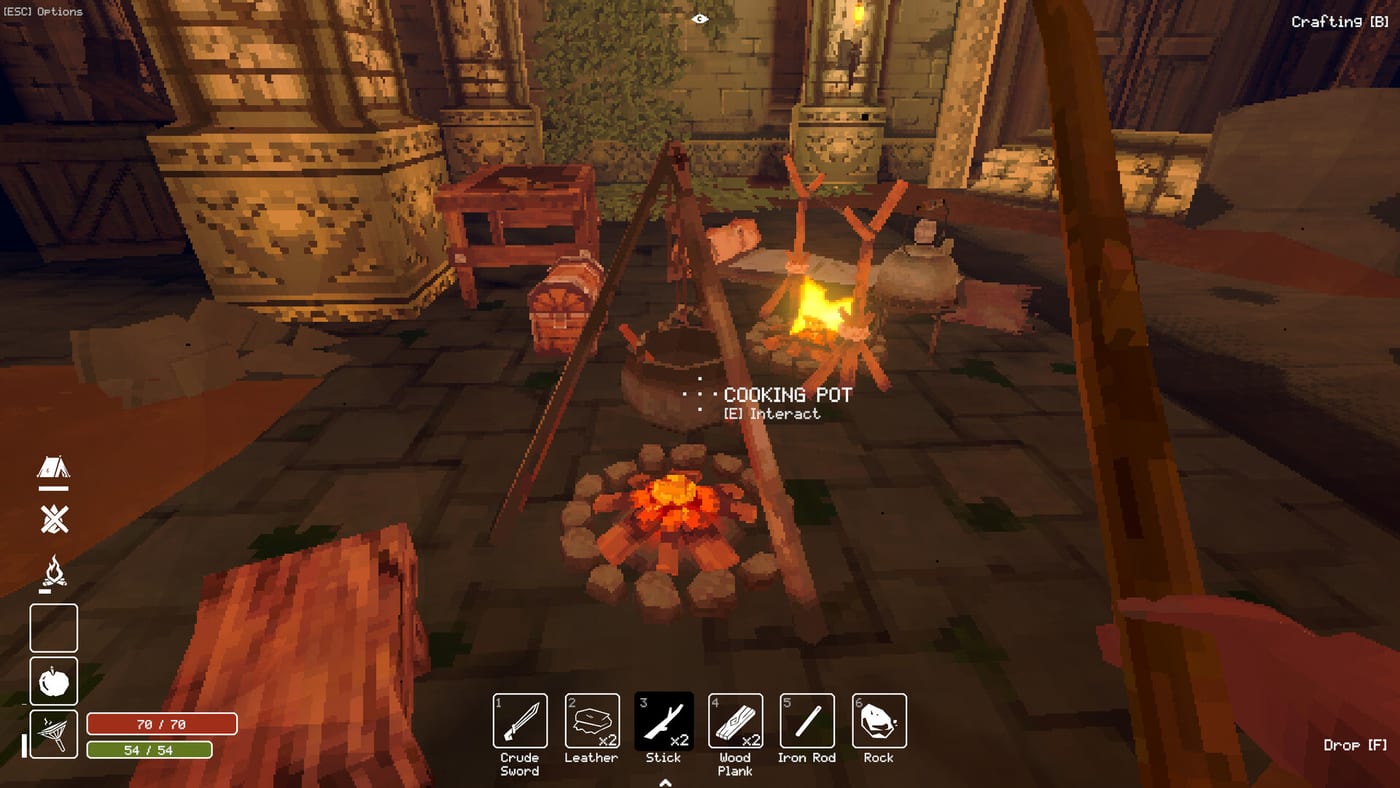
Behold Studios. Published by Raw Fury. Released October 13, 2026.